




From what age can you enjoy Mobility Resort Motegi?
Experience report with preschool children and elementary school children
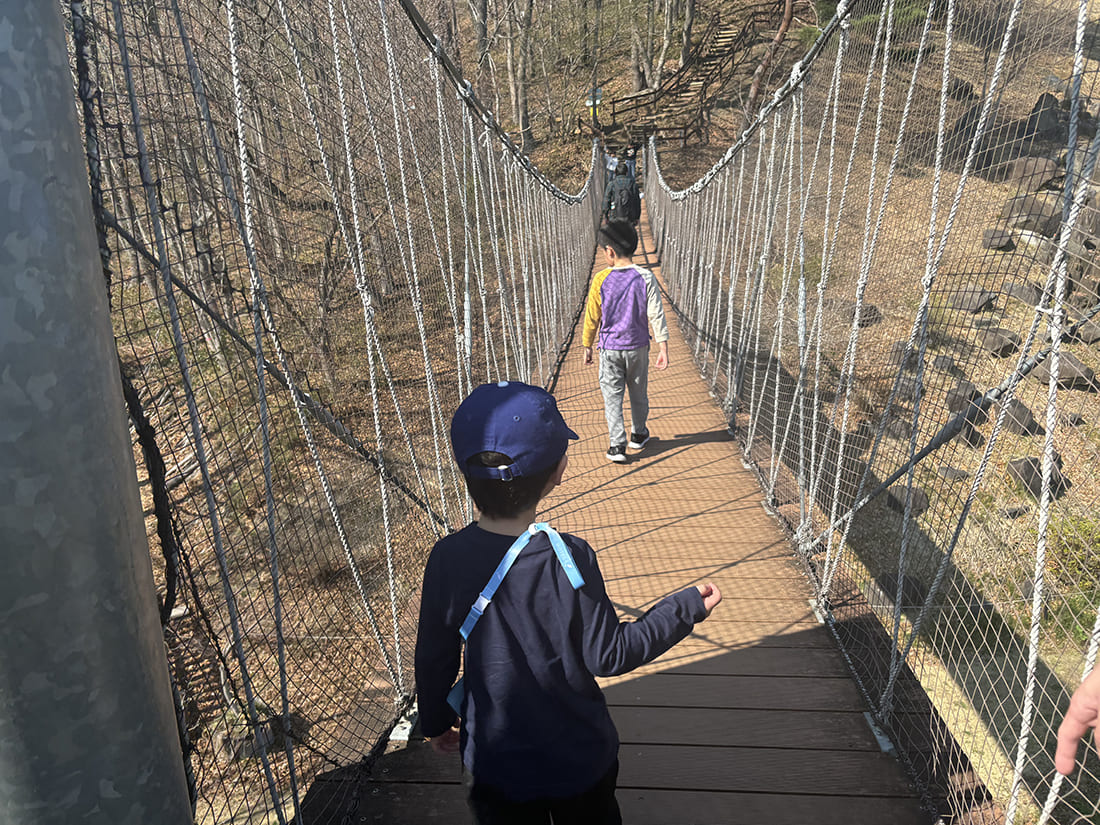
To be honest, when deciding where to go out with children, don’t you sometimes find worries like "Will the kids really enjoy it?" crossing your mind before excitement?
"Will preschool children and elementary school siblings both enjoy it?" "What if they get scared and can’t do anything?" "What if they get fussy because of long wait times...?"
I am a mother of two children, a 4th grader and a preschooler, and before going out, I always think about these things.
This time, I was asked to write an experience report on Mobility Resort Motegi, and my feelings before going were no exception.
However, what I actually felt after going was that it is a place where the feeling of "I want to try it" naturally arises more than the question of "can or cannot do it."
In this article, ✔ I actually played with my children at Mobility Resort Motegi
✔ Focusing on the points where, as a parent, I felt "This was helpful" and "This was reassuring," I have summarized the attractions and ways to play that you can experience at Mobility Resort Motegi.
I would be happy if you read this as a "real impression from a mom's perspective."
What you can learn from this article
- Differences in attractions that preschool children and elementary school students can enjoy
- Guidelines for age, weight, and accompaniment conditions
- Points where parents found it easy to watch over
- Clothing, reservations, and items to prepare in advance for peace of mind
1. Overall Impression: "Experience" and "Challenge" Lead to Children's "Growth"
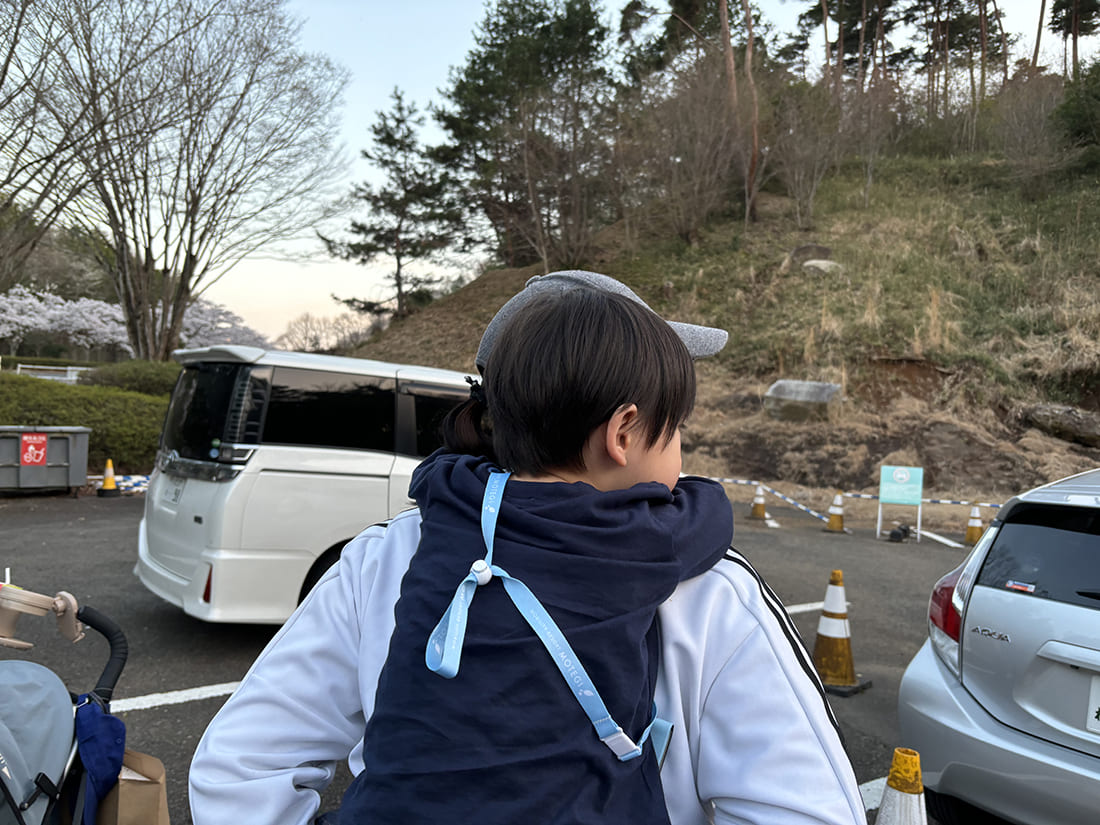
What I felt when I went there was that there were more situations where children could "decide and act on their own" than I had expected.
Even without adults explaining from the side, it is easy to see what needs to be done and to imagine what will happen next.
There were many attractions designed like that, allowing parents to watch over their children without having to intervene too much.
Having time where you can just watch over them quietly is a subtle but very appreciated point.
1.1 The reason why it felt like "not just a place to play"
While playing, there were several moments when I felt, "This is something children naturally learn without their parents having to teach them."
For example, when they couldn’t steer the handle as they wanted, or when they paused to think about how to cross the athletic course, no one gave them the correct answer; the children themselves were wondering, "What should I do?" and figuring it out through trial and error.
Also, when I saw the satisfied expression on their face after climbing the athletic course, I felt the sense of accomplishment of having completed it, which was truly priceless.
Watching children like this, there were many moments when I thought, "Ah, they are really gaining experience now," and I felt it might also lead to learning and growth.
1.2 Reasons why it is easy to spend time in the same place even with different ages
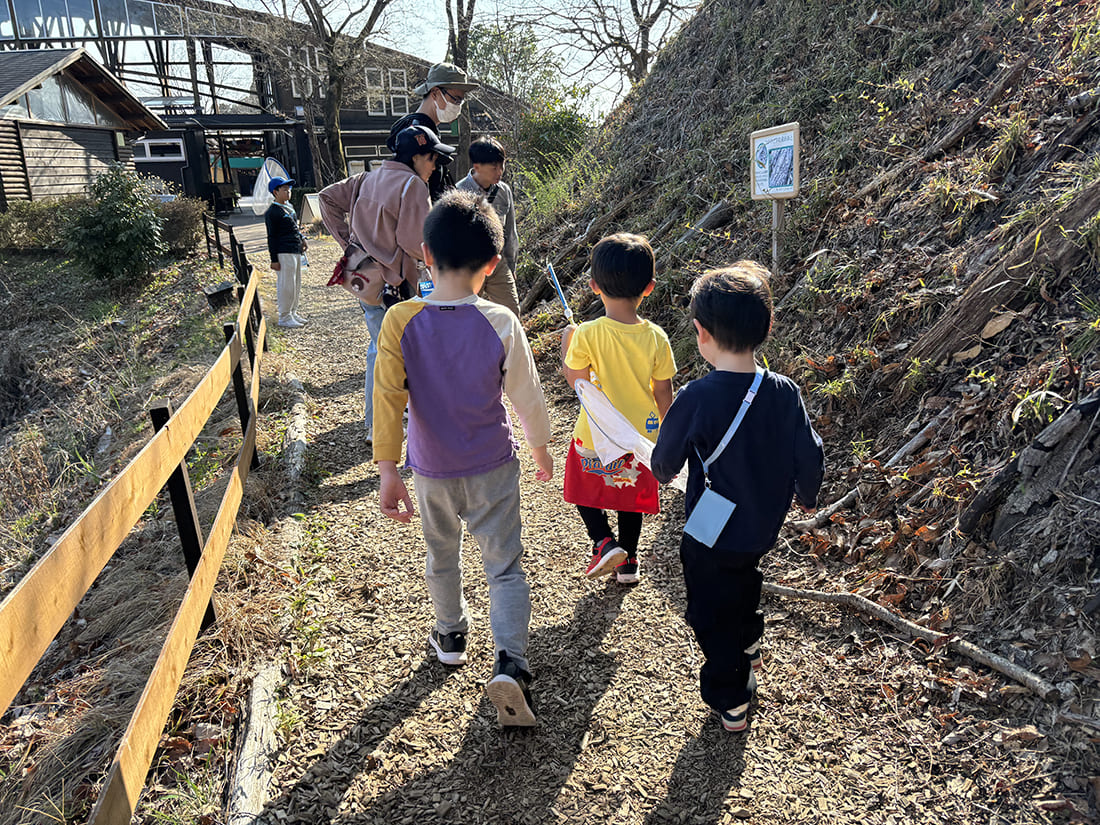
When there are siblings of preschool children and elementary school students, a particular concern is whether one of them will have to endure waiting for a long time.
When we actually went there, I thought Motegi had many places where even small children could play.
Of course, there are age restrictions, but there are attractions that can be operated from age 3, and some athletic areas have zones exclusively for preschool children, so it was rare for either the preschool children or elementary school students to just wait around. It was great to be able to end the day with "Both of us enjoyed it."
2. Impressions from Touring with Preschool Children
2.1 Play Styles That Were Just Right for Children Around 3 to 5 Years Old
Children of this age sometimes feel both the desire to try and hesitation at the same time when faced with a new attraction for the first time.
Preschool-oriented play at Motegi gives the impression that many attractions make it easy to take the first step, and even if children stop midway, it doesn’t make them feel like they have "failed" but rather encourages conversations like "What should I do next?" or "Let me try one more time."
Even if children stop an attraction halfway, they are encouraged to feel "I was able to do this much now!" rather than "I failed because I couldn't finish," which I think helps them maintain a positive attitude.
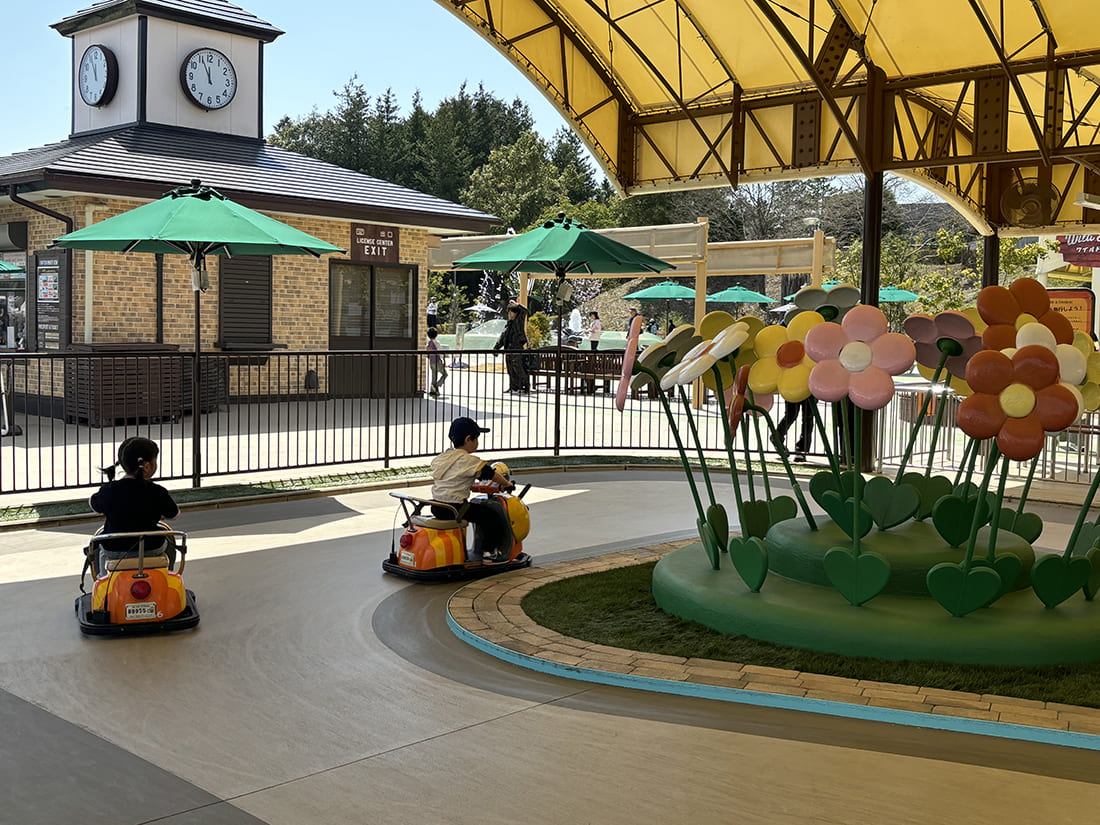
2.2 The Reassurance of Having a Parent Nearby
In many attractions, ✔ Parents and children could start together
✔ There was a guardian space within sight
◈ so, it was a very good point that encouraging independence naturally happened by "showing how to do it together at first, then switching to just watching over from a distance."
To be honest, there are times when parents want to take a little break, so it was also appreciated to be able to say, "Why don’t you try doing it on your own from here?"
2.2.1 Challenge of Moving One’s Body as Intended (Balance and Control)
What I noticed while watching the preschool children was that rather than thinking in their heads about "how to move," they were learning by trying with their bodies.
Holding the handle but not being able to move in the intended direction, or feeling unstable underfoot and stopping for a moment.
◈But before anyone teaches them, they try it once more on their own.
Even when things didn’t go well, it didn’t feel like a “failure” atmosphere; instead, they thought, “What can I do to succeed next time?” and naturally tried again, which was impressive.
2.2.2 Challenges in Understanding and Following Rules (Taking Turns and Safety)
Waiting for your turn and following the rules. These are quite difficult things for preschool children, aren't they?
Here, there were many instances where, before being told "You must follow the rules," they naturally came to understand the flow as they engaged in the activity.
They watch and wait for the child before them to finish. Then they return to the starting position.
Such movements are repeated naturally, even without explanations.
There were moments when, even without parents giving detailed instructions nearby, watching them move while observing their surroundings made me feel, "They really understand it well."
2.2.3 Small Success Experiences That Make Children Feel "I Did It On My Own!"
What left the strongest impression was the child's expression at the moment they succeeded.
At first, they were watching near their parent, but before you know it, they are moving forward on their own a little farther away.
That face looking back at us.
Rather than having accomplished something big, it seemed that the small sense of “I did it myself” was firmly retained within the child.
I believe it is precisely because parents can watch over from a distance without intervening that this feeling of “I did it on my own” is more likely to emerge.
2.3 Attractions That Left an Impression After Actually Experiencing Them (Preschool Children)
2.3.1 Kids Bike Field
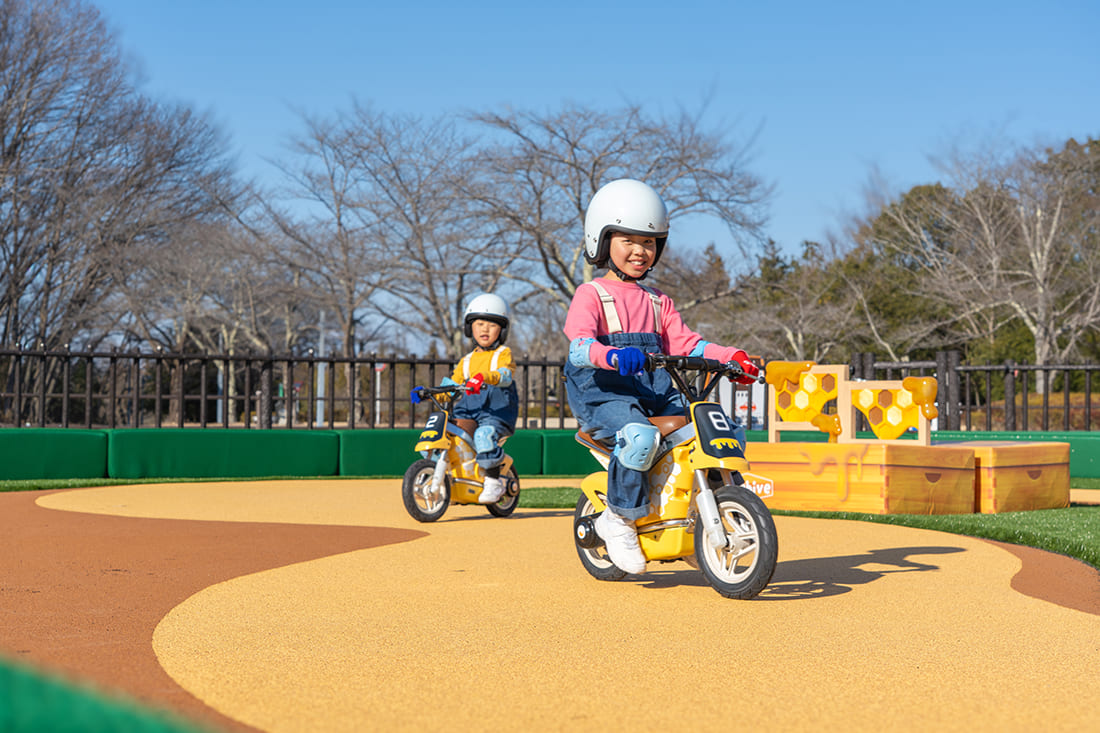
Seeing the actual item, it was more compact than I had imagined, and I felt, "My child could probably manage this."
Because the distance allows guardians to watch closely, I could clearly see the change in expressions partway through.
Kids Bike Field: Available for children aged 3 and older who can ride a bicycle on their own. The course is designed to resemble a beekeeping farm, and there is a dedicated space where guardians can watch over their children, providing peace of mind.
See details of the Kids Bike Field
2.3.2 Forest Driving School
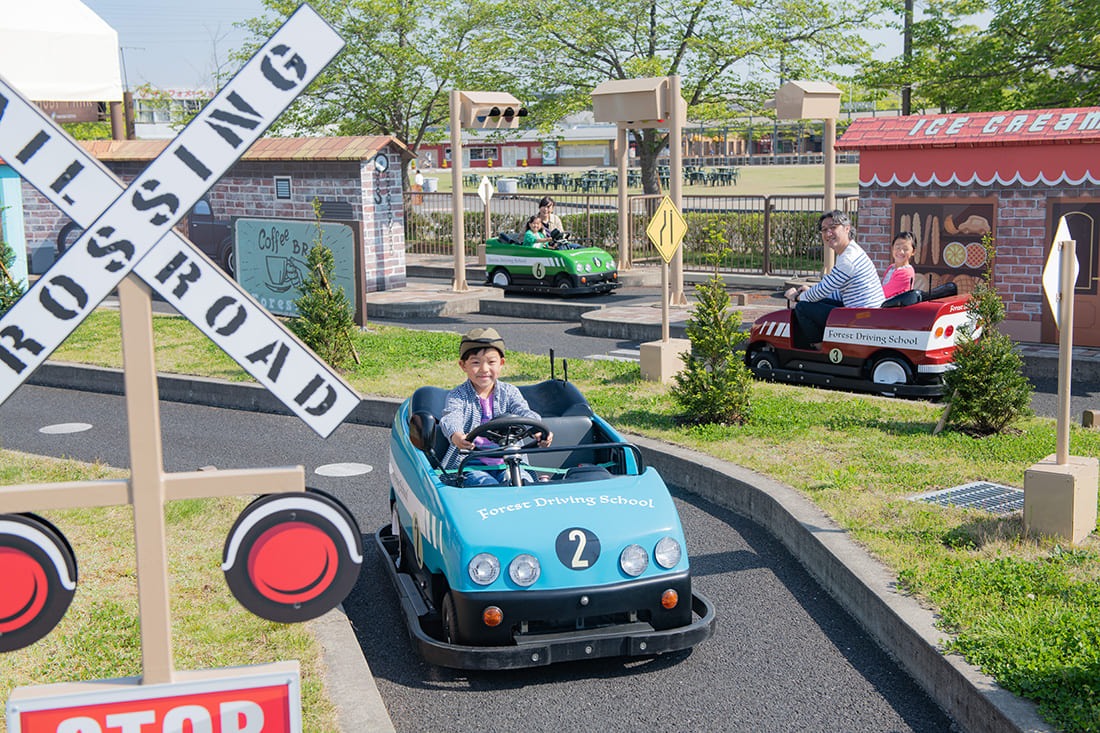
The course includes traffic lights and crosswalks, giving the impression that children naturally learn about "taking turns" and "waiting" while playing.
Rather than having the rules explained, it felt like they learned through doing and internalizing them physically.
Forest Driving School: Available for children aged 0 and up (who can sit up on their own). A course with traffic lights and crosswalks where children can challenge themselves to drive a car while learning traffic rules.
See details of the Forest Driving School
2.3.3 "Sky Athletic Plaza KONOMI"
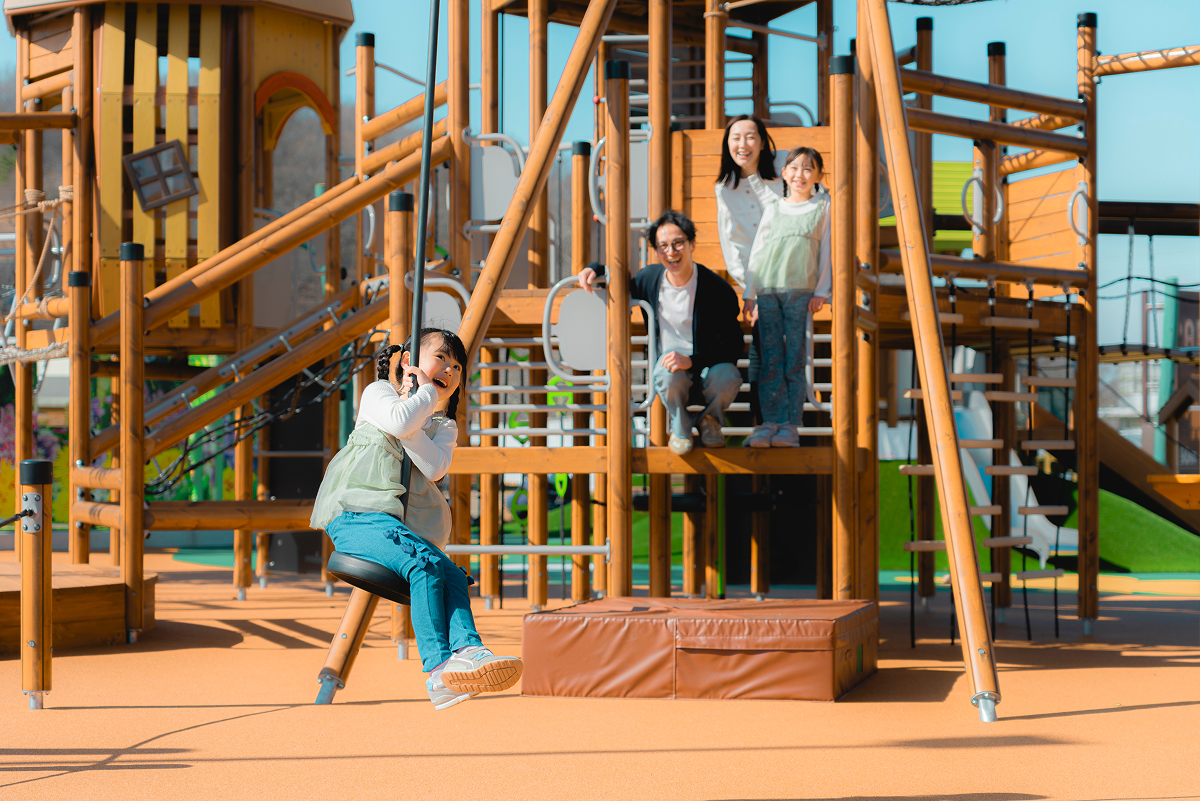
With an appearance that blends into the forest, it was an athletic course that children themselves said they wanted to try.
Not too high, but just a little thrilling height, and it was impressive that after finishing, they said, "One more time."
Sky Athletic Plaza KONOMI: An athletic playground where you can feel like a squirrel and adventure through the forest.
See details of Sky Athletic Plaza KONOMI
2.3.4 "Giant Net Forest SUMIKA"
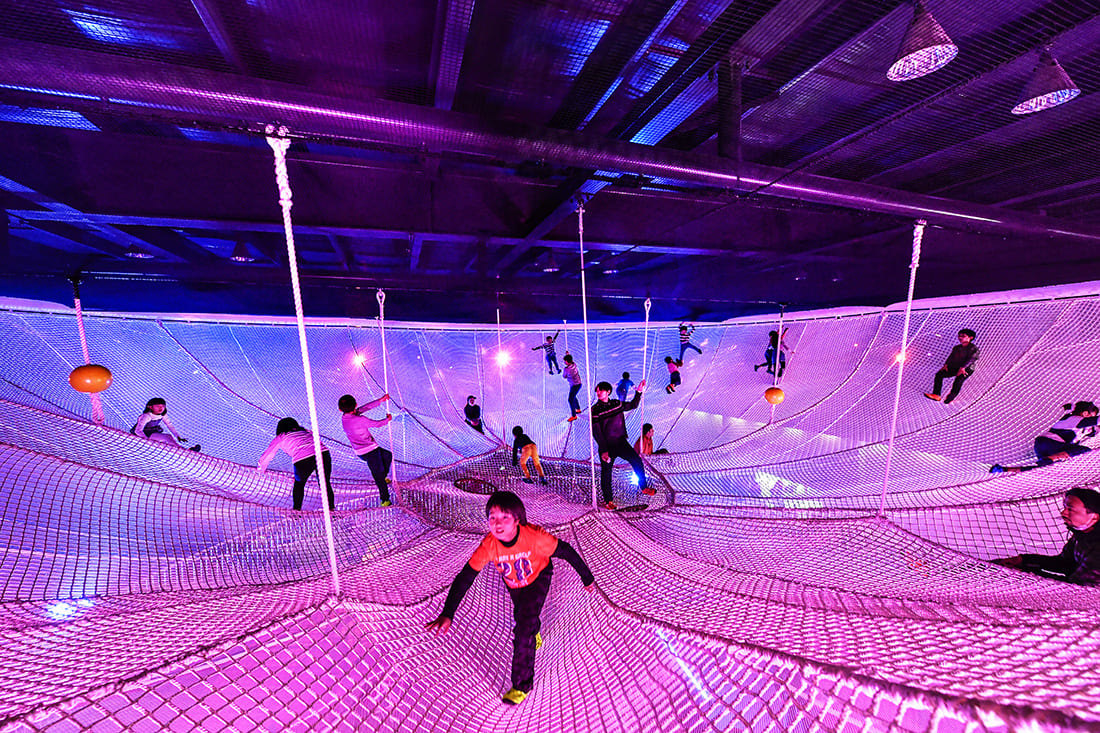
Once inside, the ways to play keep changing—climbing, bouncing, thinking about how to move forward...
Seeing the children talking among themselves, saying, "Which way should we go next?", the parents were able to take a short break nearby the net.
Giant Net Forest SUMIKA: An indoor giant net athletic course with a maximum height of about 11 meters and a net area of approximately 1000 m². The official website introduces it as "the largest indoor area in Japan (according to our research)".
See details of the Giant Net Forest SUMIKA
3. Changes Noticed While Touring with Elementary School Students
3.1 When They Enter Elementary School, Their Way of Playing Suddenly Becomes “Self-Directed”
Around the time they reach elementary school age, I noticed their way of playing suddenly shifts toward “thinking for themselves.”
Stopping in front of the course and thinking, "Which way should I go?", or when things don’t go well midway, trying again a little.
Rather than having someone tell them the correct answer, it was impressive to see them observing the situation and making decisions on the spot by themselves.
The time spent concentrating naturally became longer, and as a parent, I felt it was just right to watch from a little distance rather than calling out from the side.
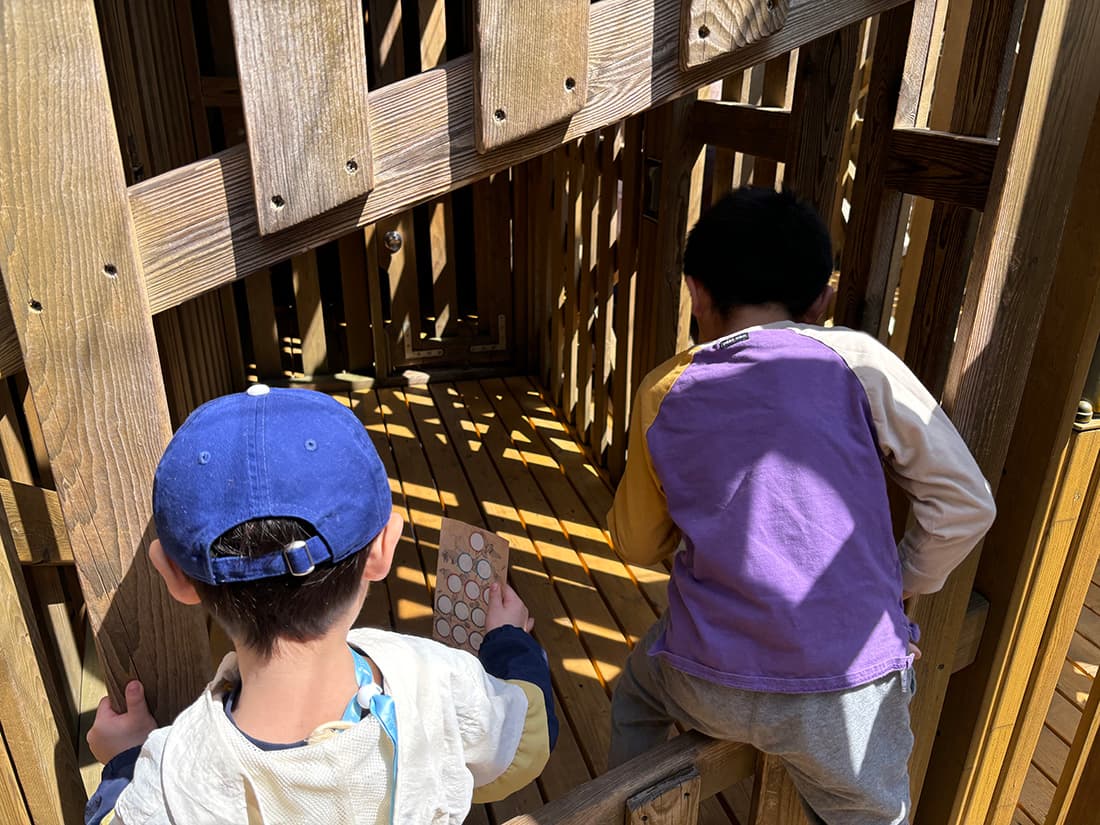
3.2 The Courage to Overcome Fear
Places with height or rides that feel fast sometimes initially provoke a reaction of "a little scary..."
◈ But after watching for a while and preparing themselves emotionally in their own way, they take a step forward saying, "I'll try it."
The expression when looking back afterward conveyed more of a sense of accomplishment from "deciding and doing it on my own" than from the achievement itself.
Having a place nearby where we could watch over them made it easier as parents to support without interfering more than necessary, which we appreciated.
3.3 The Process of Improving Through Repeated Challenges
Even if it doesn't go well the first time, there were many instances where the natural response was, "I'll try again," leading to the next attempt.
I moved just a little faster than before. I was able to do it more smoothly than last time.
It seems that the person is clearly aware of these small changes.
Even without adult evaluation, the feeling of "I did better than before" seemed to encourage the next action.
There was an atmosphere where continuing was possible even without being perfect, so the impression was strongly that they were enjoying the process more than the result.
3.4 Attractions that left an impression from actual experience (Elementary school students)
3.4.1 Off-Road Touring RINDO BIKE
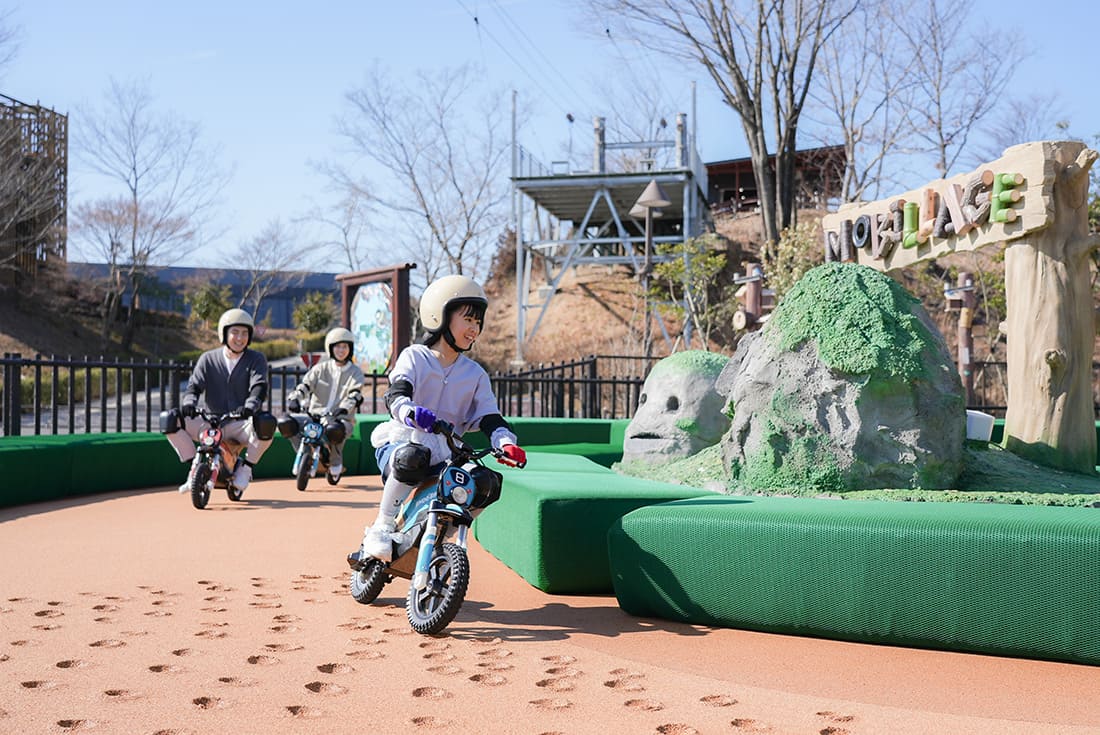
The system of "being able to get a license" served as a motivation trigger for the children.
Progressing step by step also serves as a clear and reassuring standard for parents, as it means "being able to ride the next slightly more difficult vehicle."
RINDO BIKE: Available for first graders and above who can ride a bicycle without training wheels. First graders need to obtain a license card at the Kids Bike Field to ride, but it’s also wonderful as a keepsake to mark their step up.
See details of Off-Road Touring RINDO BIKE
3.4.2 Moto Racer
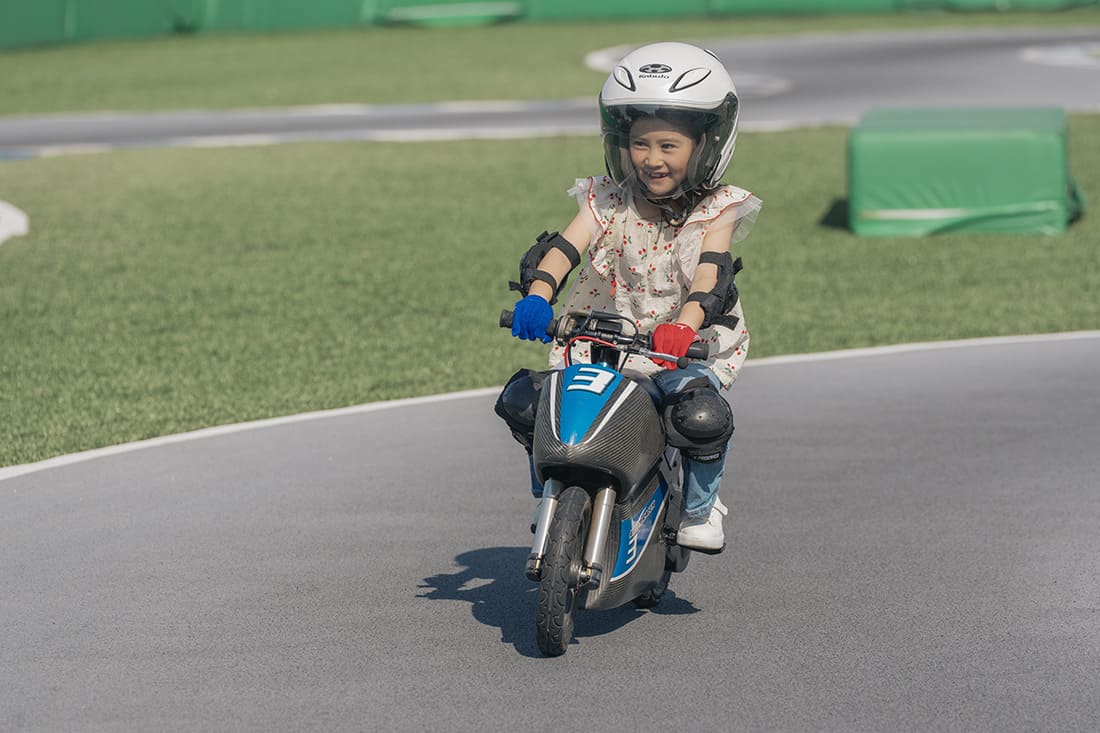
It was refreshing for parents and children to stand on the same field. Those cheering on naturally put in extra effort.
Children handled the small bikes better and sometimes even beat the adults!
Moto Racer: A race attraction where you can experience riding a bike. Available to children in 3rd grade or above who can ride a bicycle without training wheels, or 1st graders and above who have obtained a license card from the Kids Bike Field or Off-Road Touring RINDO BIKE. Parents and children can compete together to achieve the fastest time.
See details of Moto Racer
3.4.3 Forest Sensation Athletic DOKIDOKI
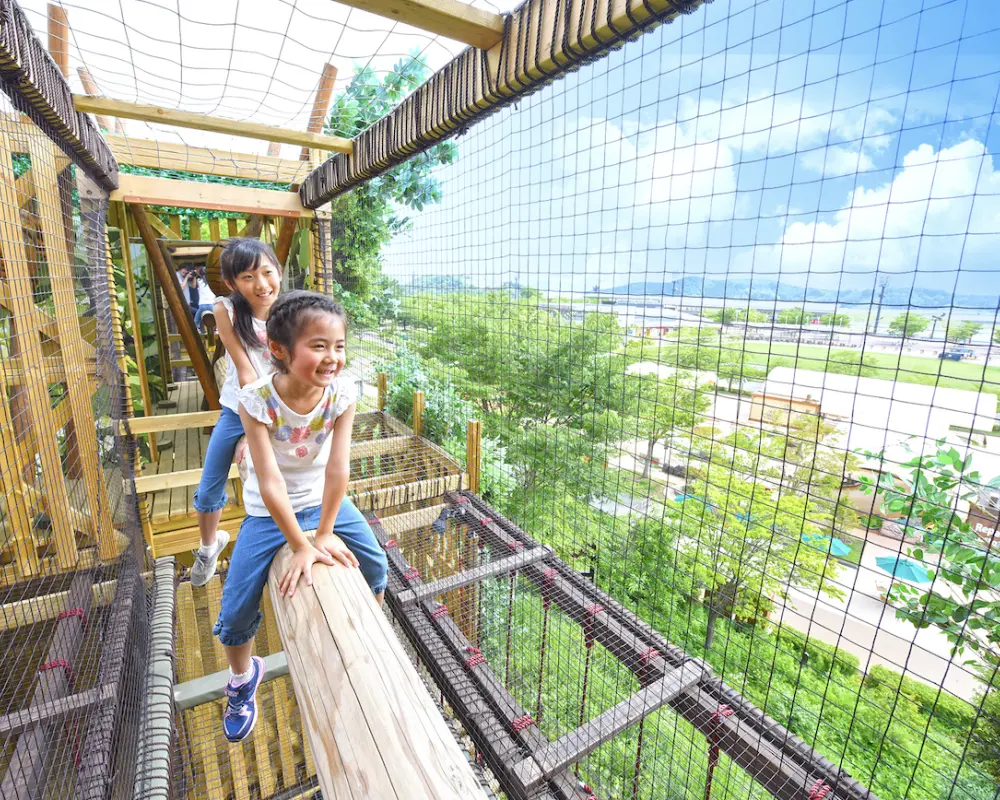
The difficulty changes depending on the route chosen, so my older brother in 4th grade tried an easy route the first time and a difficult route the second time. When my younger brother becomes a 1st grader, I plan to have them challenge it together as siblings.
Forest Sensory Athletic DOKIDOKI: A tree-climbing style athletic course aiming for the top of a giant acorn tree. Suitable for children from 1st grade, with courses ranging from easy to difficult ones for upper graders and adults, allowing everyone to challenge at their own pace.
See details of Forest Sensory Athletic DOKIDOKI
3.4.4 Mega Zipline Tsubasa
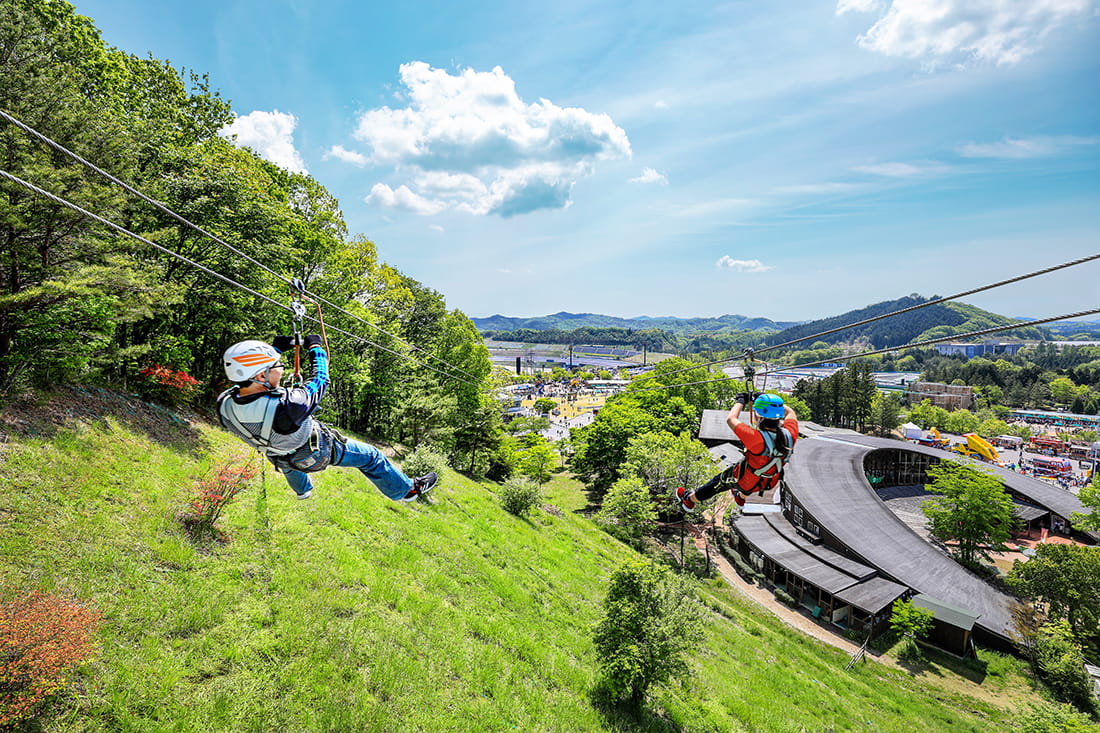
An experience where "I want to try" and "a little nervous" come at the same time. The expression on your face afterward will surely become an unforgettable memory.
Mega Zipline Tsubasa: A 561m-long zipline gliding through the forest from about 20m above the ground. Available for 1st graders (weighing between 30kg and 90kg) and up. If you muster a little courage and take the leap, an aerial stroll overlooking the racing course and forest awaits you.
See details of Mega Zipline Tsubasa
4. Workshops Enjoyed Together by Parents and Children
I thought that the time spent sitting together, moving our hands, and deepening our learning between physical activities is something unique to Mobility Resort Motegi.
4.1. Craft Experience Using Forest Materials
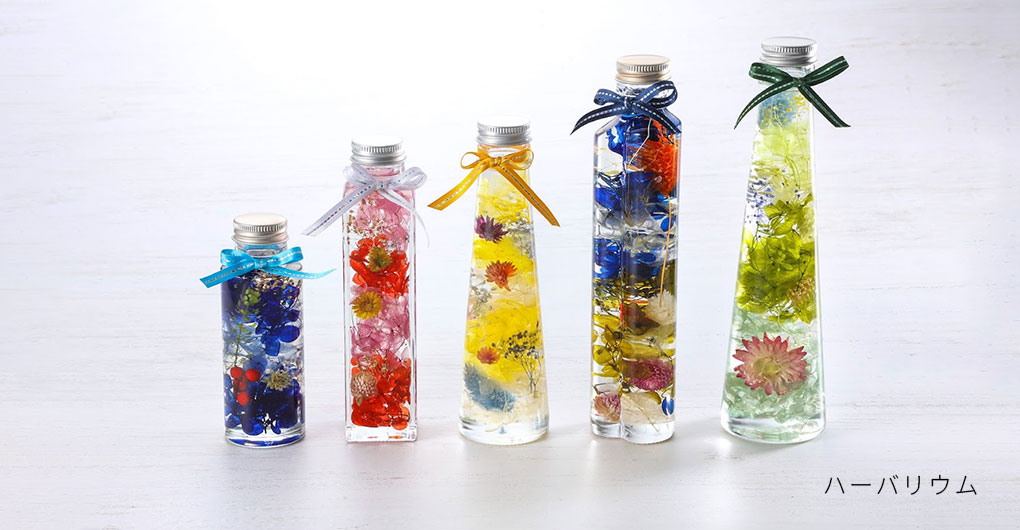
We were able to create original works using natural materials.
Children can freely combine materials to create, and the staff provided careful support, so even though it was our first time, we were able to participate with peace of mind.
The items we made in the workshop are now displayed in the living room, and occasionally looking at them becomes an opportunity to reminisce, saying "That was fun."
View the list of activities
4.2. Living Creature Observation Program
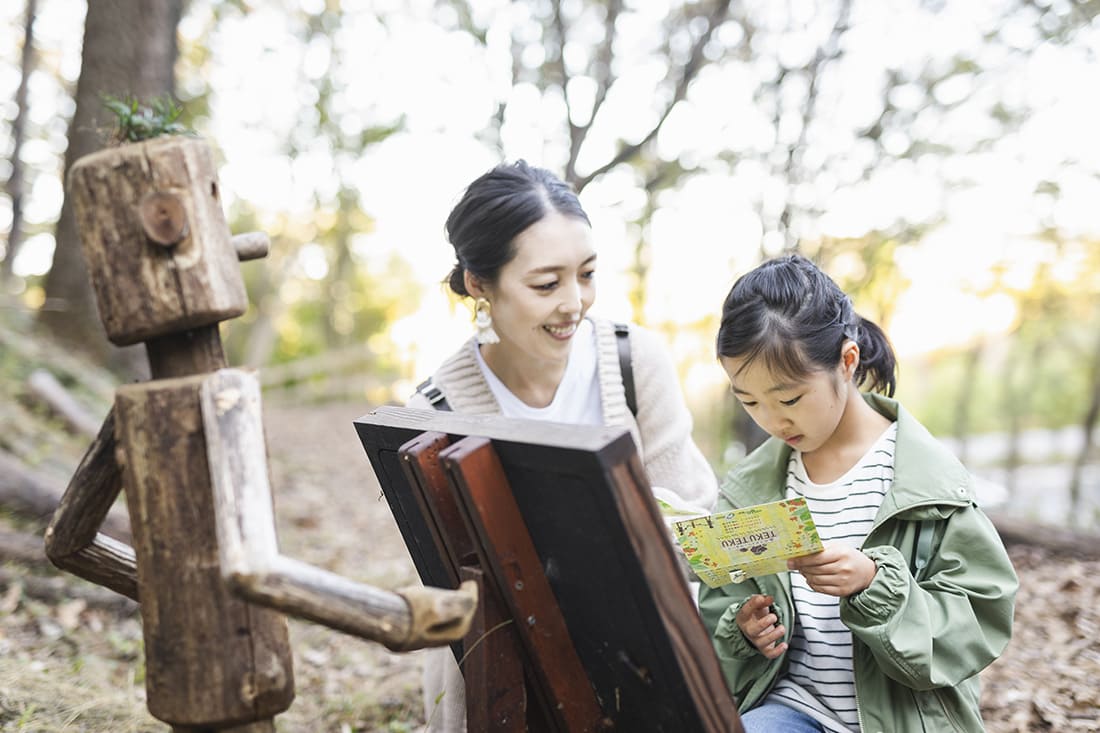
On the premises, there is a very large forest called "Hello Woods," where there was a program that allowed us to enjoy and learn about the forest's flora and fauna.
While walking around and visiting points to complete a bingo card, we could also listen to explanations using an AI app, making it quite an educational experience.
“Forest Family Walk TEKUTEKU×Biotalk”See details of Forest Family Walk TEKUTEKU×Biotalk
The “Creature Laboratory,” where you can see aquatic and forest creatures up closeSee details of the Creature Laboratory
5. Tips Learned from Visiting
5.1 Make Reservations in Advance When Possible
Some popular attractions, hands-on programs, and certain events can be reserved in advance, so securing your spot ahead of time makes the day much smoother.
It’s also helpful to avoid lines at the ticket counter on the day and be able to start enjoying immediately after entering. Since it tends to get especially crowded during long holidays like summer vacation and on event days, it is recommended to check the latest information on the official website and prepare web tickets in advance.
View Fees & Ticket Information
5.2 Don’t Overpack Your Schedule
There are events each season, so it might be good to focus on those as the main activity.
Events tend to be especially crowded, so it’s recommended to plan while checking the level of congestion.
View Event Calendar
5.3 Wear Comfortable Clothing
Especially for the forest athletic activities, your satisfaction can greatly depend on what you wear.
The forest area has many shaded spots, and the perceived temperature changes depending on the season and weather. It’s reassuring to bring a jacket or a change of clothes.
6. Summary|A Place Where "Trying" Matters More Than "Succeeding"
I felt that Mobility Resort Motegi is not a place to compete over "what you can do."
Whether things went well or you gave up halfway, you can say, "It was a good day," including everything.
For families who want to spend such time, it is a place I want you to visit at least once. (Photo courtesy of Mobility Resort Motegi)
Author
Writer: Ruri Muta. Mother of two children. Her hobbies are driving with her kids, eating delicious food, playing, and shopping.
7. FAQ
- Q1. From what age can children enjoy it?
-
A. There are attractions that families can enjoy from a young age, such as the "Forest Driving School" which can be used by children who can sit up on their own from 0 years old.
On the other hand, athletic and bike-related activities have conditions such as being 3 years old or older, elementary school age or older, weight restrictions, and requirements for bicycles without training wheels, so it is recommended to check the usage conditions as well as the age when choosing. - Q2. Is it okay if my child is not good at physical activities?
- A. It’s okay. Many of the experiences are not about competing in speed or skill. They are designed so you can proceed at your own pace, allowing children who like to be active as well as those who are a bit more cautious to each find their own way to enjoy.
- Q3. Are there many experiences where participants join alone?
- A. It varies depending on the experience, but many activities are initially designed for parents and children to enjoy together. Once your child gets a little more comfortable, there will be opportunities for them to take on challenges on their own. Being able to quietly watch over that moment of transition is a unique charm of this place.
- Q4. What happens if I fail?
- A. Here, the times when things don’t go well are also part of the experience. Since the environment is set up so you can try again immediately, the feeling of "maybe I'll try one more time" naturally arises. There is an atmosphere where you can enjoy the process more than the result.
- Q5. Can siblings with an age difference still enjoy it?
- A. Yes, they can enjoy it. Since experiences can be chosen according to age and developmental stage, each child can spend time feeling that it is "just the right amount of fun" for them. There are also workshops where parents and children can participate together in between, making it easy for the whole family to plan their day.
- Q6. How many experiences can you have in one day?
- A. It depends on how you spend your time, but it’s okay not to cram too many things in. By focusing deeply on one experience, your sense of satisfaction will greatly increase. If you select a few experiences in advance, the flow of the day will go more smoothly.
- Q7. If it’s your first time visiting, is there anything you should prepare in advance?
- A. If there is an experience you’re interested in, we recommend making a reservation in advance. On the day, you’ll spend less time wondering “What should I do next?” and can focus more on the experience itself. Wearing comfortable clothes that are easy to move in will help you enjoy it to the fullest.
- Q8. Where can I make reservations for the experiences?
- A. You can view the list of experience programs and workshops and make reservations from the following page.
Taking time to browse while imagining how you will spend the day is also part of the fun.
https://www.mr-motegi.jp/activity/program/ - Q9. What is the approximate age requirement for the attractions mentioned in the text?
-
Approximate Age / Conditions Attractions Notes 0 years old and above, able to sit alone Forest Driving School Children under 5 years old must be accompanied by a guardian who is a junior high school student or older 3 years old and above Athletic Space in the Air, KONOMI Children below elementary school age must be accompanied by a guardian who is a junior high school student or older. Ages 0–2 are limited to the lawn area only 3 years old and above Forest of Giant Nets, SUMIKA Children below elementary school age must be accompanied by a companion who is a junior high school student or older. Socks are required. From 3 years old to elementary school students, able to ride a bicycle without training wheels. Kids Bike Field Elementary school students can advance to the next step by obtaining a license card. 1st grade or above Athletic Course in the Wood, DOKIDOKI Not available for children below elementary school age. 1st grade or above, weight 30–90 kg. Mega Zipline, Tsubasa Minors require a guardian's consent signature 1st grade or above, able to ride a bicycle without training wheels Off-Road Touring RINDO BIKE 1st graders need to obtain a license card for the Kids Bike Field 1st grade or above, able to ride a bicycle without training wheels Motorsports Racer 1st to 2nd graders need to obtain a license card for either the Kids Bike Field or RINDO BIKE